Don't Wait Until You Have The Land: How to Start Laying the Groundwork Now

Updated: Mar 19
One of the most common things I hear from aspiring herbalists and homesteaders is some variation of: "I’ll start once I finally have land/a garden/more space" and I could not discourage this more.
We have this vision of our "someday" property—ten acres, a wrap-around porch, and an abundantly lush food forest. We tell ourselves that until we have that physical space, we are just in a holding pattern.
But I want to share the reality: If you wait until you have the perfect space in order to start learning, you are already three years behind.
The High Cost of Waiting for "Someday"
When you finally get your dream property, you're going to want to hit the ground running. You've been itching for years to harvest the flowers, can fruit from your own trees, collect the eggs, render the beeswax, stock the apothecary, and the list goes on.
But if you're starting from zero, with no practice, no disappointments, and no last-minute mind changes, then you are making your biggest mistakes on a high-stakes stage. You could be losing expensive trees to the wrong soil, planting herbs that your family doesn't actually use, and realizing too late that you don't actually enjoy the daily maintenance of certain "must-have" homestead activities.
Starting before you have the land is actually a strategic advantage. It’s your time for low-stakes trial and error.

Practice is Your Best Fertilizer
In my own experience, I’ve found that the most successful homesteaders—whether they are in the suburbs or on a hundred acres—are the ones who spent their "waiting" years experimenting in small-scale ways.
I started keeping chickens in the backyard of a rental property in Portland 10 years before I had land in the country. I learned how to can and preserve produce in a studio apartment in San Francisco almost 20 years ago. I didn't plant my first medicinal plant until 2 years after I started my formal herbal training (and it was in a community garden plot.)
As my spaces changed over the years, so did my capacity for practicing these skills. When I finally got my dream property, I brought a truckload of established potted plants that I already knew how to work with and tend to, plus a list of things I decided I didn't want to do after all.
When you start practicing exactly where you are, you:
Discover What You Actually Enjoy: You might think you want to grow Elecampane until you realize you don't like the processing time, or you think you need to start canning your own orchard until you realize your family doesn't actually eat that much jam. Use your current space to grow plants in containers, make butter out of cream from a local farm, or make skin salves out of local beeswax. Learn if you enjoy the rhythm of those plants and the fruits of those labors. It is better to find out you hate a specific task on a patio than on a half-acre plot.
Learn the Language of Your Region: Every area has its own micro-climate and soil type. By starting your herbal studies now, you can observe what thrives in your local ditches, parks, and neighbors' yards. You learn what works in your area and, more importantly, what doesn't. Where I am in the PNW we have slightly acidic, heavy clay soil. Blueberries love it. Passionflower? Which thrives in the hot, humid Eastern part of the US? Not so much. When you get your land, you won't waste two years trying to grow a plant that refuses to thrive in your zone (I'm still determined to see my struggling Passionflower take off one day though. I got my first flowers this year finally!).
Build the Foundation of "Embodiment": Herbalism is a relationship science. You can learn the language of plants, the energetics of the body, and the foundational theory of the apothecary from a studio apartment. This foundational knowledge is the same whether you are harvesting from a pot or a field.
Skills to Hone While You Wait (The Low-Stakes Checklist)
Before you move to your dream home, you can already be "homesteading" in your kitchen, your backyard, or your local park. Here is a list of skills you can start honing now so you aren't overwhelmed later:
Herbalism & Home Apothecary: You don't need a garden to start learning the pharmacy of the backyard. You can become proficient at remedy-making (tinctures, salves, and infusions) and understanding the framework of how medicinal plants work with herbs from the farmer's market or wild-foraged plants. Learning the language of plants now means you'll know exactly which medicinal seeds to sow when you finally have the soil.
Food Preservation: Don't wait until you have a massive harvest to learn how to store it. You may find there are methods that don't align with your needs. Experiment with different ones to find what fits your lifestyle. Do you know the different requirements for water bath canning versus pressure canning? Do you like the taste and texture of food that's been dehydrated? Will you have access to a freeze-dryer or the backup power to keep everything in a chest freezer? Learn the pros and cons of each.
Heating & Energy: Do you actually enjoy the physical labor of chopping wood for a stove or can you purchase it precut? Will you have a source for timber? Or would you prefer the automation of a pellet stove or propane? Testing your preferences for alternative heating now will dictate the infrastructure you build later.
Backup Power Systems: Researching energy resilience is best done before you're in the middle of a blackout on a rural property. Start comparing solar vs. gas vs. propane generators, and look into modern battery systems. Understanding your likely energy loads now helps you plan your future infrastructure with much more precision.
Pollinators: Everyone thinks of honey bees, but they are a massive commitment. Research alternatives like Mason bees or other native pollinators that are often easier to tend and better for your local ecosystem.
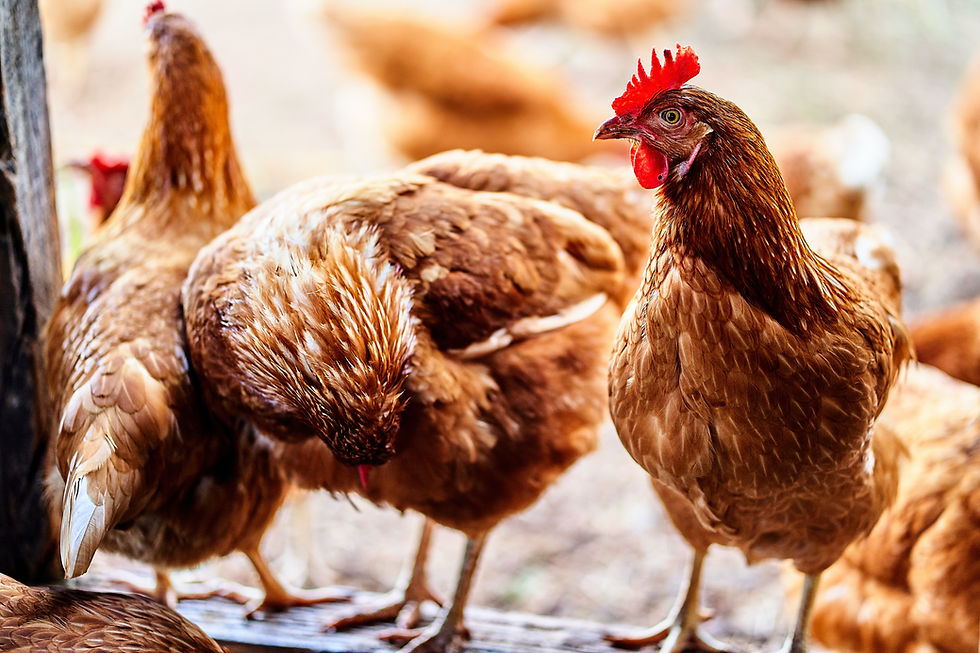
Small-Scale Livestock: You don't need a pasture to start keeping chickens, rabbits, quail, ducks, or guinea fowl. Start researching the temperaments, hardiness, and needs of different breeds. Visit local farms, read up on their housing requirements, and decide which (if any) actually fit your daily capacity. If you already have a backyard, try raising a small flock to see how you like it.
Native Edibles: Start identifying the native plants and edibles that grow wild in your current area. If they thrive in a nearby ditch, they will thrive on your future property. Learning the "language of the land" starts exactly where you are standing.
Hit the Ground Running
The goal isn't just to have the land; it’s to know what to do with it the moment you get it.
When you spend your "waiting" years studying, you aren't just passing time; you are preparing. You are building a mental map of your future medicinal guilds. You are learning which herbs work for your specific constitution. You are becoming an herbalist before you become a landowner.
By the time you step onto your dream property, you won't be starting from zero and scrambling to learn how to do everything at once. You’ll be hitting the ground running with a decade of observations already tucked into your pocket.
"Not Having The Space" Is Literally the Best Time to Start
If you’re waiting for the perfect garden before you start herbal training, you’re actually missing your greatest window of opportunity.
If you don't have the space yet, then that is exactly why you should start now.
When you are in the "landless" phase, your focus is undivided. You have the mental space to build your framework, learn the energetics, and become fluent in the language of plants without the physical exhaustion of a ten-acre farm pulling at your sleeve.
By the time you have your space, you won't be a beginner. You'll be a practitioner. You'll walk onto that soil knowing exactly which medicinal guilds to plant, which herbs your family relies on, and how to manage your seasonal rhythms. You’ll save yourself years of expensive "newbie" mistakes because you did the internal gardening first.
Stop Waiting, Start Preparing
The journey toward herbal embodiment doesn't require a deed or a fence. It requires a curious mind and a willingness to sync with the seasons right where you are standing.
If any of this resonated, the best place to start is with one of my two foundational courses —
Explore Resistance Gardening if you're drawn to getting your hands in the soil to grow medicinal plants
Explore Herbal Foundations if you're drawn to learning to safely make your own effective herbal preparations
Not sure where your path begins? Take the Student Roadmap Quiz to identify your unique learning style and see how you can start building your herbal agency today—no acreage required.
Stay rooted, stay curious, and remember: the best time to plant a tree was twenty years ago, but the second best time is today—even if it's in a pot on your kitchen table.
With care,
-Jovie



Comments