Beltaine: The Stewardship of Pollination and Joy

On May 1st, Beltaine represents the midway point between the Spring Equinox and Summer Solstice. It marked the beginning of the pastoral summer season, when livestock were traditionally driven out to the summer pastures.

In Irish Gaelic, Beltaine (pronounced bee-YELL-tin, not bell-TANE) is the name of the month of May, while in Scottish Gaelic, Bealtuinn is May Day. It is a combination of the Celtic God ‘Bel’, meaning ‘the bright one’ and the Gaelic word ‘teine’ meaning fire.
Beltaine honors fertility, abundance, sex, and the growth of everything beautiful on Earth. It is wildly hedonistic and teeming with abundance, fertility, fire, and fun.
Earth energies are at their strongest and most active. All of life is bursting with potent fertility and at this point in the Wheel of the Year, the potential becomes conception. On May Eve, the sexuality of life and the Earth is at its peak. Abundant fertility, on all levels, is the central theme.
In some traditions, the God and Goddess are separated all winter long, and their reunion on Beltaine is celebrated with food, drink, and multi-colored maypoles. The world comes alive in color to celebrate their love. This is a holiday of union, a celebration of the divine balance.
It is important to note, that while some lore centers on the union of the male and female form, this is but one of many possible expressions of love and unity.
I believe this lore was intended symbolically, in order to represent nature’s fertile soil and return to productivity, rather than as a definition of a masculine and feminine binary.
May we honor this sacred union within ourselves, planting the seeds of our own wildest desires in the fertile soil of the present moment. On this day, the Earth does not just wake—it sings, it loves, and it invites us to join the chorus. Let every blossom remind us that we, too, are part of this wild and holy abundance.
The Energy of the Bloom
The Great Expansion
Beltaine marks the peak of Spring and the doorway into Summer. In the garden, the "quickening" of early Spring has exploded into a full-scale riot of color, scent, and life. The soil is teeming, and the air is thick with the sound of pollinators.
The medicine of this season is joy. Stewardship at Beltaine isn't about the struggle of survival; it’s about the stewardship of attraction. This lesson explores how to move your practice from "work" into "pleasure," and why joy is a vital nutrient for your long-term resilience as an herbalist.

1. The Strategy of the "Nectar"
In May, plants shift their energy into producing nectar and bright petals. They aren't doing this just for looks; they are doing it to facilitate connection. They are making themselves attractive to the bees, butterflies, and birds that will help them fulfill their purpose.
The Human Parallel: If your herbal practice (or your life) is all "to-do lists" and no "nectar," you will eventually become ecologically sterile. You will burn out because there is nothing "sweet" to draw you back to the work.
The Practice: Sweetening the Study. How can you make your learning more attractive to yourself? Instead of studying at a desk, go sit in a field of wildflowers. Instead of just memorizing a plant's actions, make a delicious, honey-sweetened infusion from it. Follow the pleasure—it is the compass that leads you to your most profound discoveries.

2. Stewardship of the Pollinators
To have a healthy garden, we must steward the pollinators. We plant "host plants" and provide water sources, recognizing that the health of our herbs is inseparable from the health of the creatures that visit them.
The Human Parallel: Your "pollinators" are the people, hobbies, and environments that cross-pollinate your ideas and keep your spirit high. These are the social and creative connections that bring new life to your work.
The Practice: Creative Cross-Pollination. Look beyond your herbal books this month. Go to an art gallery, dance, or have a long dinner with a friend who has nothing to do with herbalism. By stewarding these "pollinating" experiences, you bring fresh energy back to your core medicine.
3. The Beltaine Fire: Warming the Heart
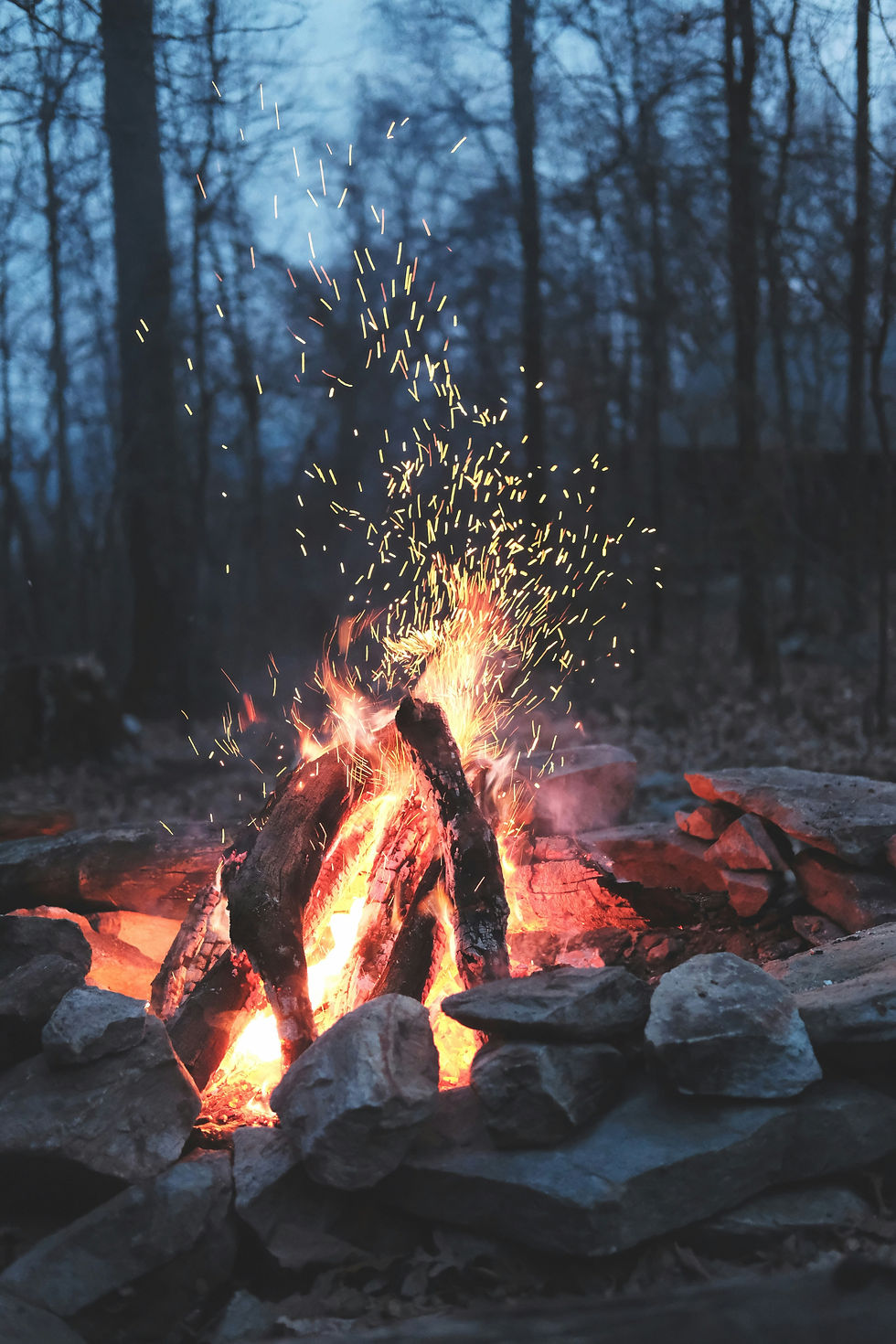
The traditional Beltaine fires were lit to protect cattle and ensure a fertile season. In our internal landscape, this fire represents the "Digestive Fire" and the "Heart Fire"—the energy that allows us to transform food and experience into vital life force.
The Human Parallel: When we are in a state of "hustle," our internal fire becomes a wildfire that scorches us. When we are in a state of "joy," the fire is a hearth that warms us.
The Practice: Practice "Heart-Tending." What is one thing you can do this week simply because it makes you feel alive and vibrant? Whether it’s wearing your favorite bright colors or making a floral "Sun Water," prioritize the activities that feed your internal flame.

Action Task: The Joy Audit
Identify Your Nectar: What is the most "delicious" part of herbalism for you right now? (e.g., the way the soil feels, the smell of Lavender, the beauty of botanical illustrations). Commit to spending 20 minutes with that "nectar" this week.
Invite a Pollinator: Identify one person or activity outside of your "work" that always leaves you feeling inspired. Reach out or schedule time for that connection.
The Beltaine Bouquet: Go outside and find three plants that are in bloom (even if they are "weeds" like Dandelions). Acknowledge their effort to be beautiful. Remind yourself: My joy is as important as my productivity.
Closing Thought
Beltaine reminds us that the earth wants to be beautiful, and so do you. You don't have to justify your pleasure; it is the very thing that makes your growth sustainable. Surround yourself with color, drink in the scent of the season, and let your heart be the warmest fire in the garden.
If the Beltaine philosophy resonates — the idea that joy isn't separate from your practice but the very thing that sustains it — the Seasonal Herbal Intensive is where that thread runs all year long.
Each month we move through the seasonal cycle together, working with the plants, the rhythms, and the inner landscape of each turning point on the wheel. Not as a curriculum to get through, but as a practice to live.
The door is open whenever your season is ready.
Don't forget to join my weekly newsletter to have more free herbal content sent to your inbox:
Thank you for taking care of yourself so that we can take care of each other <3
—Jovie


Comments